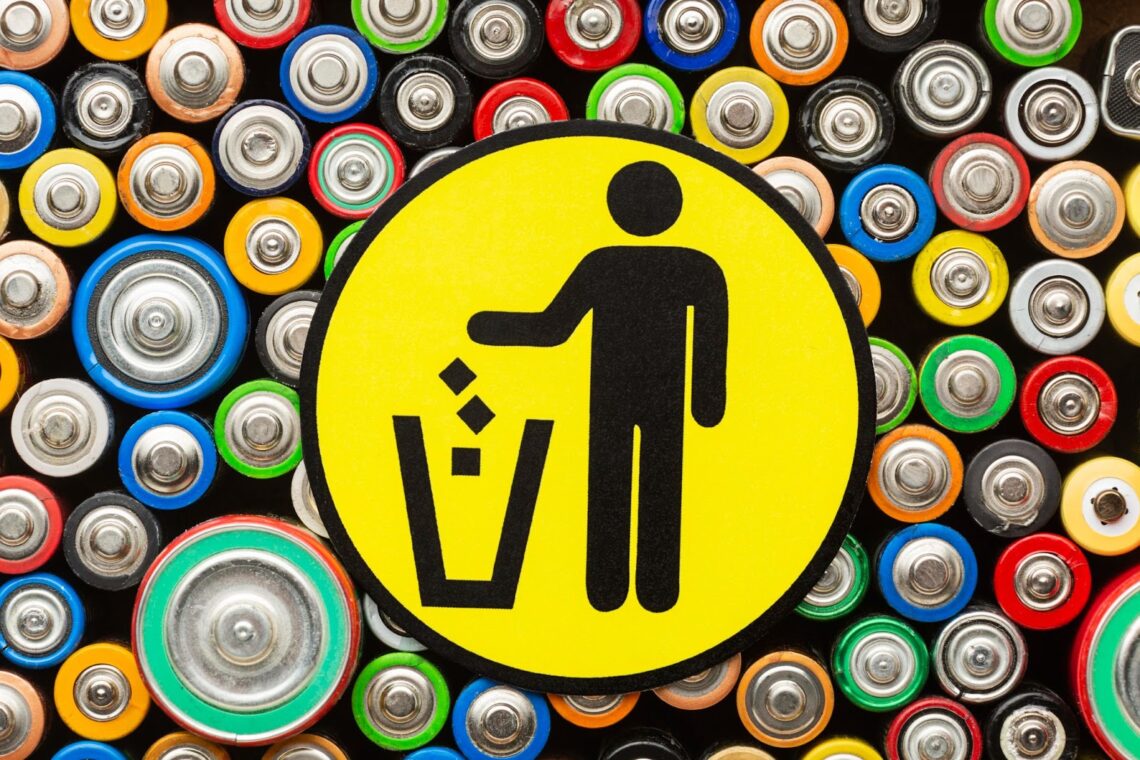

How to Correctly Dispose of Used Batteries
Learn how to create an effective manufacturing waste management plan with actionable steps for cost savings, sustainability, and regulatory compliance.
A Waste Management Company in Singapore

Learn how to create an effective manufacturing waste management plan with actionable steps for cost savings, sustainability, and regulatory compliance.
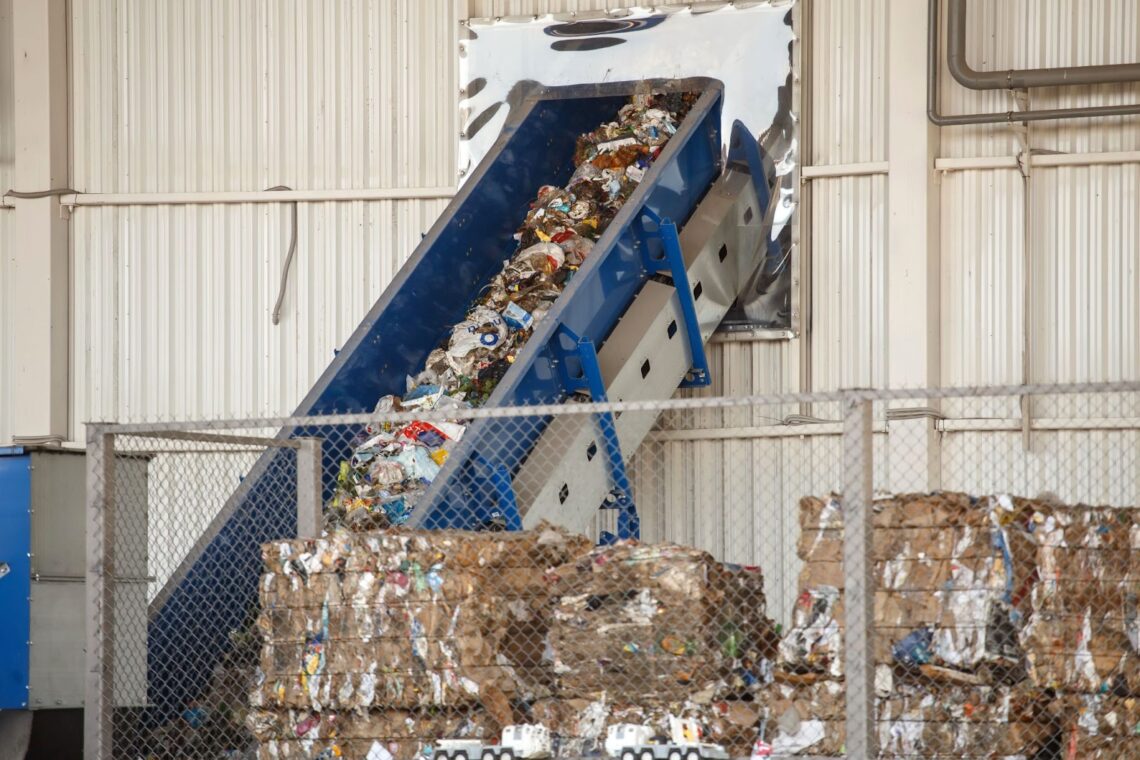
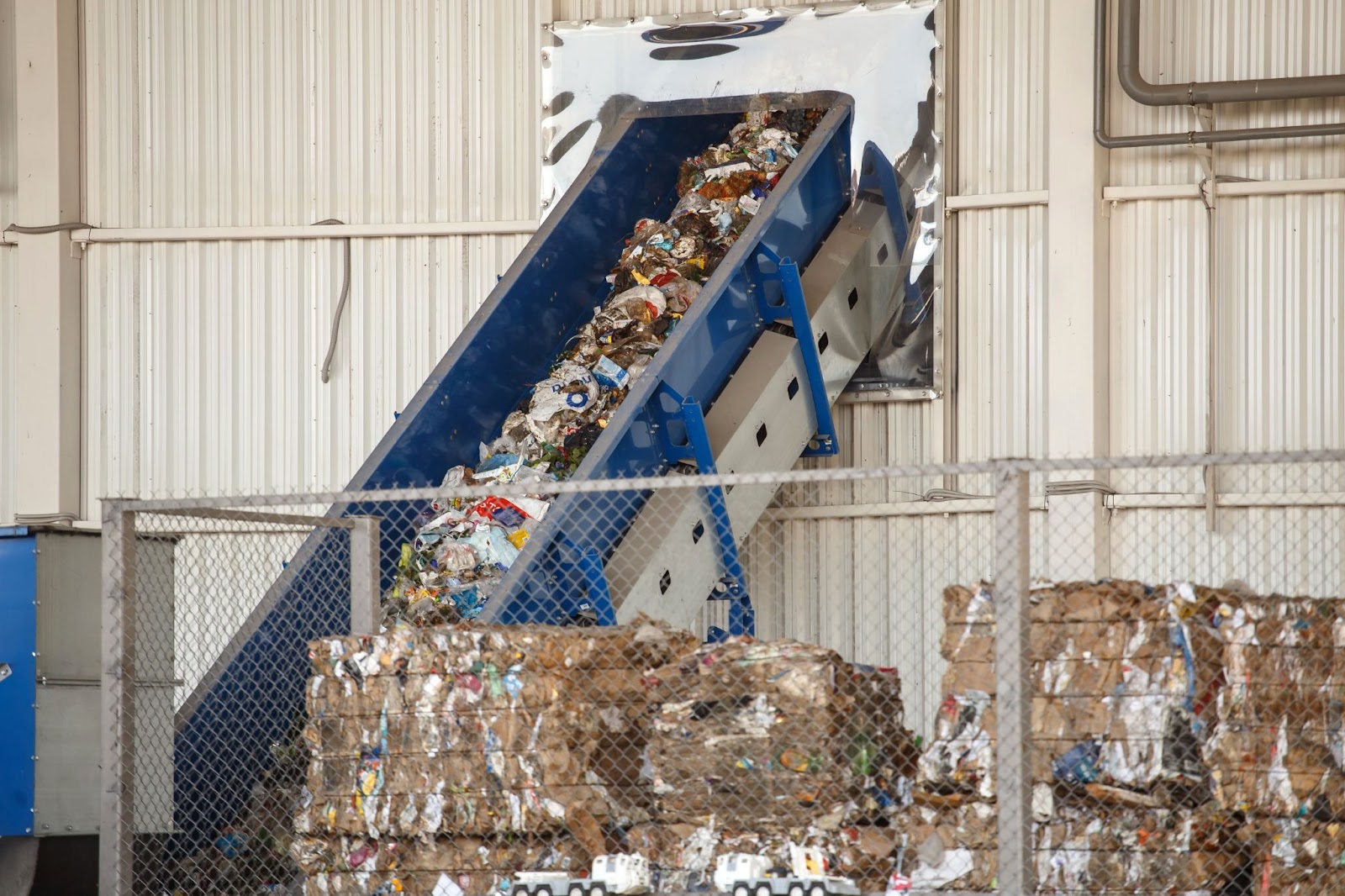
Learn how to create an effective manufacturing waste management plan with actionable steps for cost savings, sustainability, and regulatory compliance.
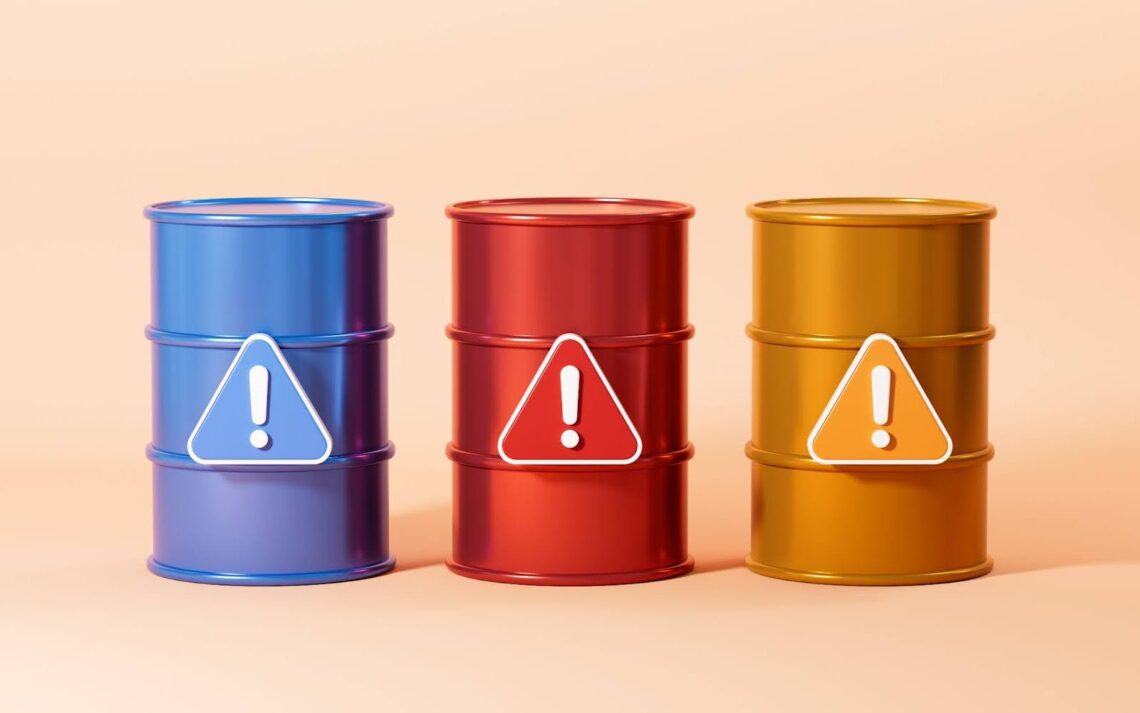
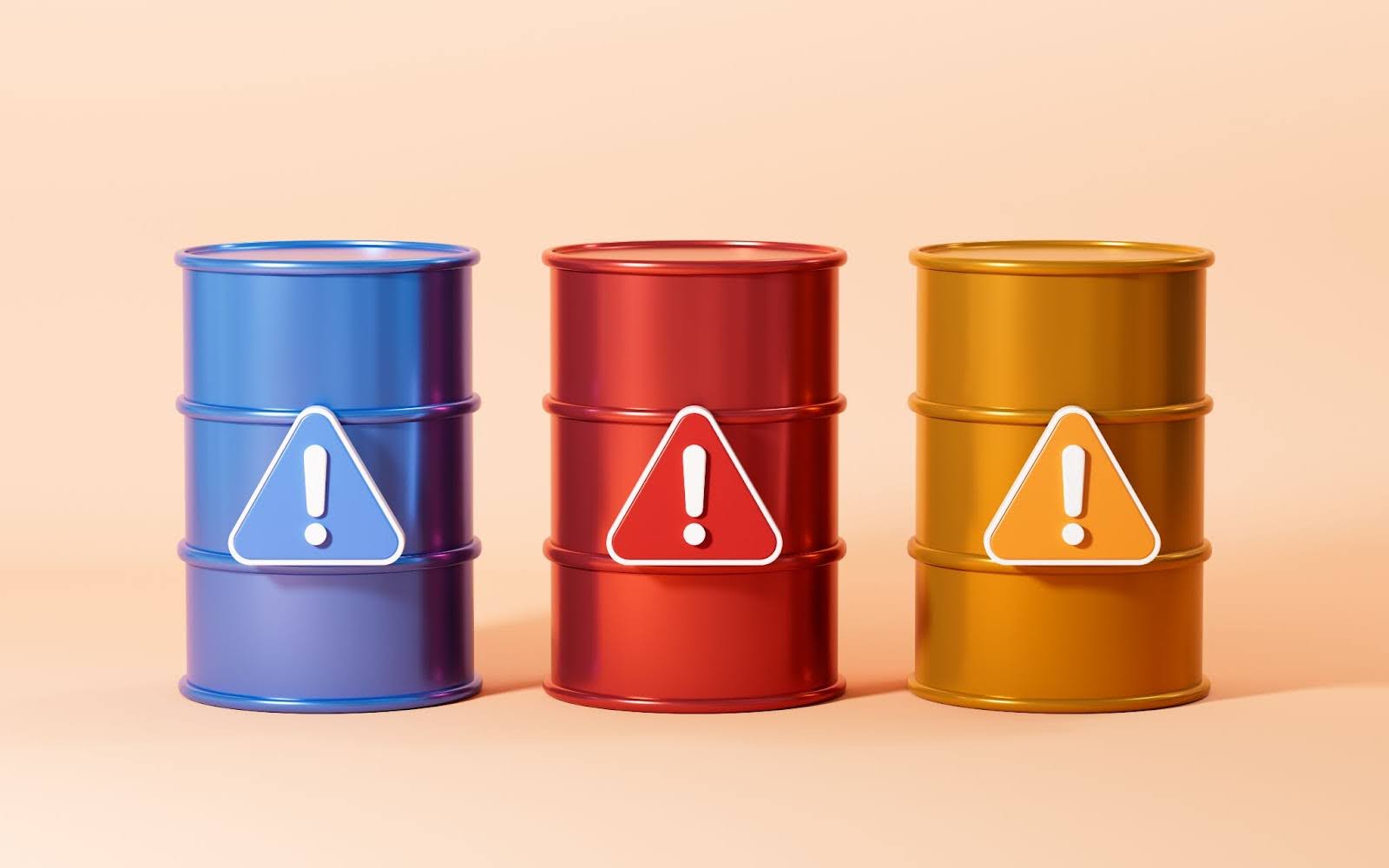
Discover what hazardous waste colour codes really mean in Singapore and why labels, not colours, are key to safe and legal waste disposal.
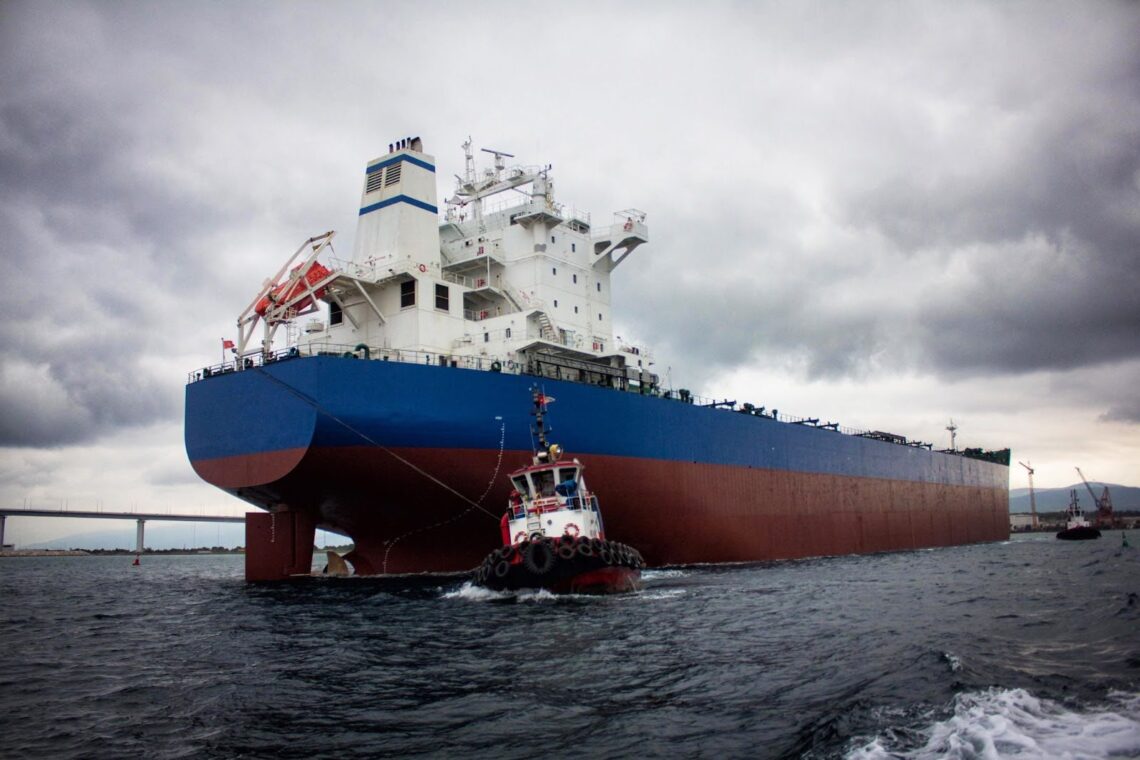

Discover what hazardous waste colour codes really mean in Singapore and why labels, not colours, are key to safe and legal waste disposal.
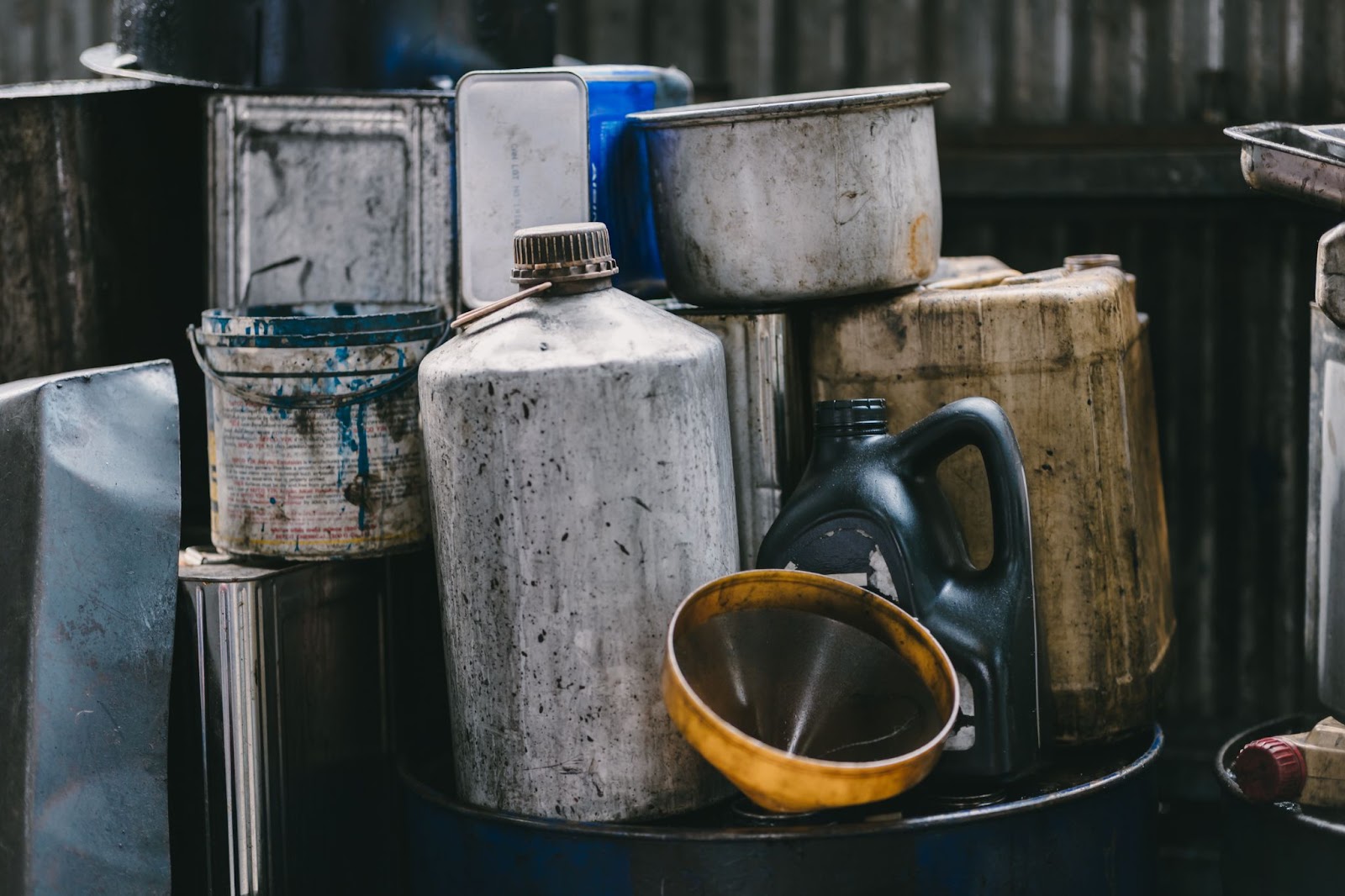
Getting rid of hazardous waste properly is crucial for protecting the environment and our health. Knowing the right hazardous waste disposal methods is important for businesses, governments, and everyone to help create a more sustainable future.

Industrial processing plays an important role in development. That’s where we get food, beverages, pharmaceuticals, chemicals and pretty much everything from. However, irresponsible practices can lead to the disposal of harmful waste into our environment.


Are you familiar with non-hazardous waste? As the counterpart of hazardous waste, it’s easy to assume that non-hazardous waste is less important or less impactful. Nonetheless, this type of waste still has certain management requirements.


The NEA’s toxic industrial waste (TIW) e-tracking feature is designed to help manage and monitor the disposal of toxic waste. This system is crucial for ensuring proper handling and compliance with environmental regulations. Here’s a step-by-step guide on how to use the NEA’s toxic industrial waste e-tracking system
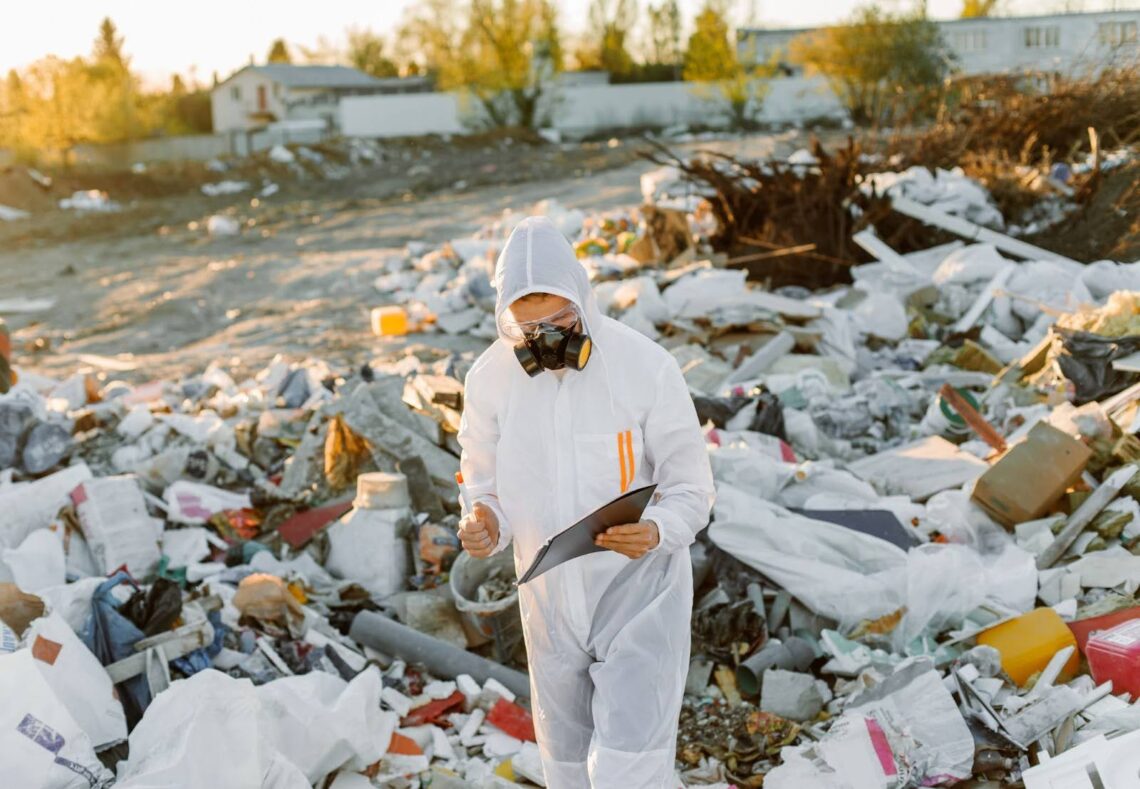
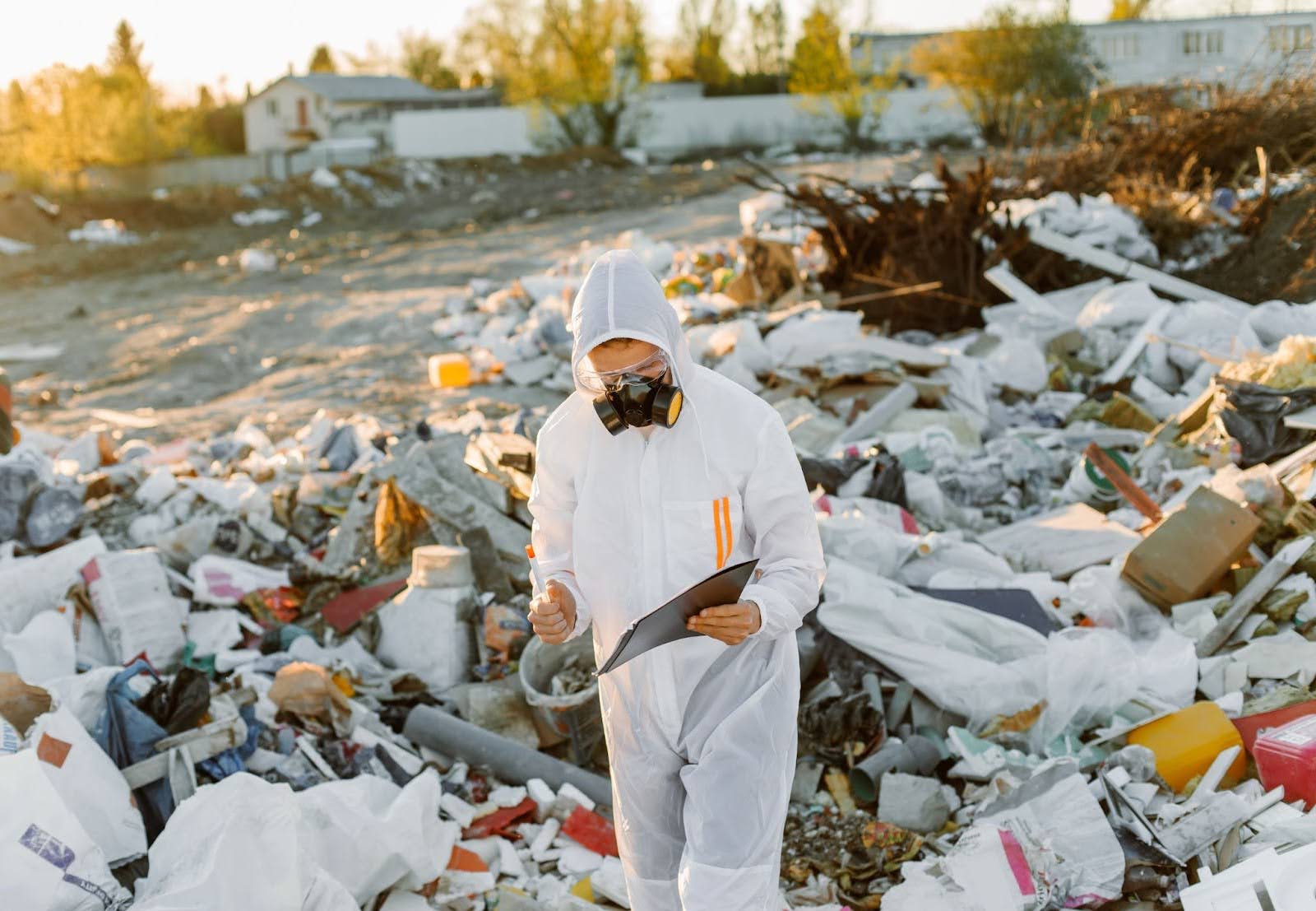
Hazardous waste, like chemical waste, biological materials, and radioactive byproducts, can make things worse for both people and the planet. They can contaminate the air, water, and soil, which isn’t good for wildlife or our communities.
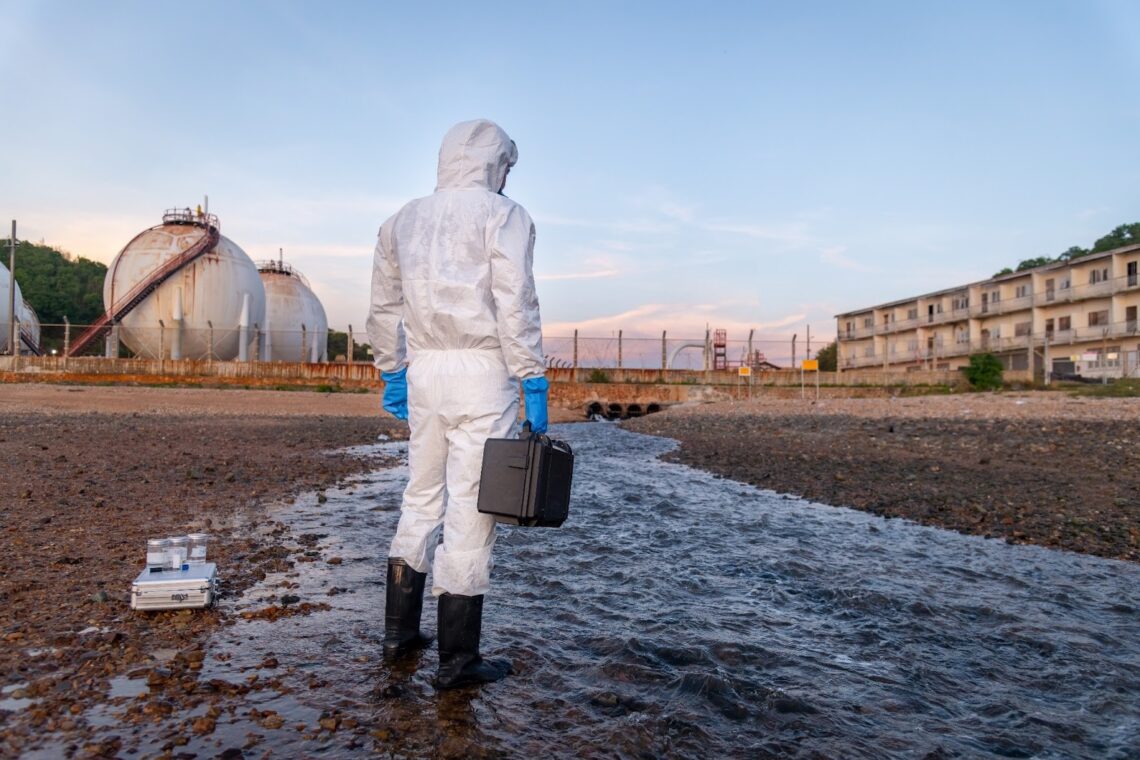

Industrial processing plays an important role in development. That’s where we get food, beverages, pharmaceuticals, chemicals and pretty much everything from. However, irresponsible practices can lead to the disposal of harmful waste into our environment.